Why “No Screens During the Week” Can Support Calm, Independent Play
Many families want to reduce screen time but feel unsure where to begin—especially when screens are so woven into daily life. One simple and effective approach is establishing a clear boundary: no screens during the week.
While this may feel like a big shift at first, clear and consistent limits often reduce daily power struggles. When expectations are predictable, children can relax into the rhythm of the week without ongoing negotiation, which supports emotional regulation and family harmony.
The Adjustment Period
When children are accustomed to regular screen use, the first few days without screens may bring frustration, restlessness, or frequent requests. This response is normal and temporary. With consistency, many children begin to redirect their energy toward creative, independent activity and develop a greater tolerance for boredom—an important foundation for focus and self-regulation.
A Montessori Lens on Screen-Free Time
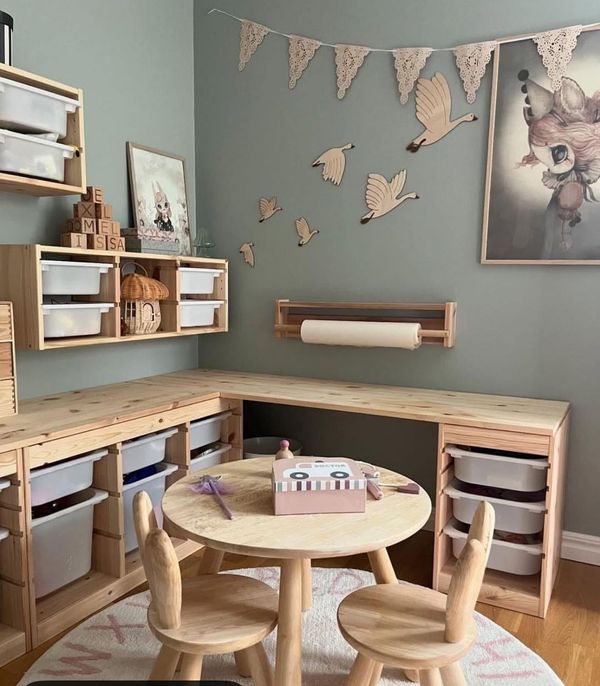
In Montessori philosophy, the environment plays a central role in supporting independence and meaningful work. Removing screens is most effective when paired with a thoughtfully prepared home environment that invites exploration. This does not require elaborate materials or a perfect playroom. A few intentional, accessible areas are often enough.
How to create a Screen-Free Home Environment
Creating a few intentional areas of play at home can make a big difference in how your child is able to independently spend time at home. Quiet, calm play options will help your child regulate their nervous system especially after long days at school.
Creative Work Area
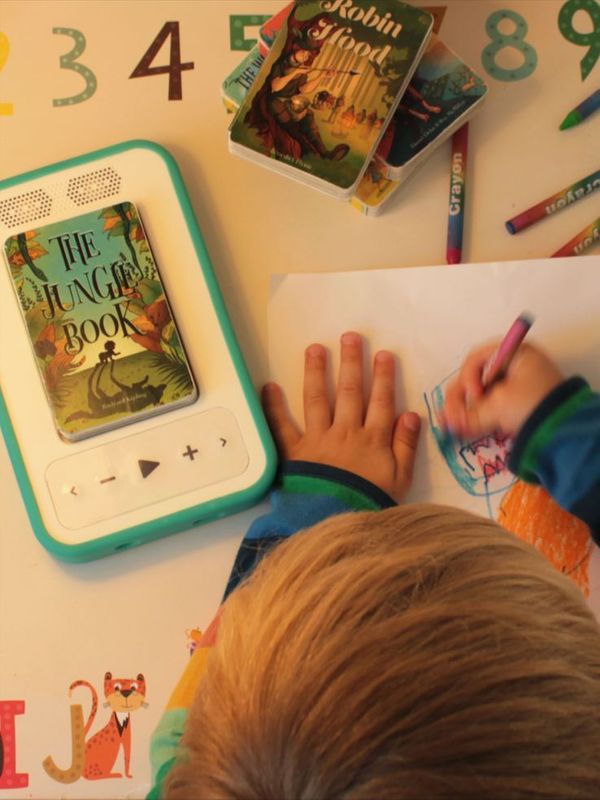
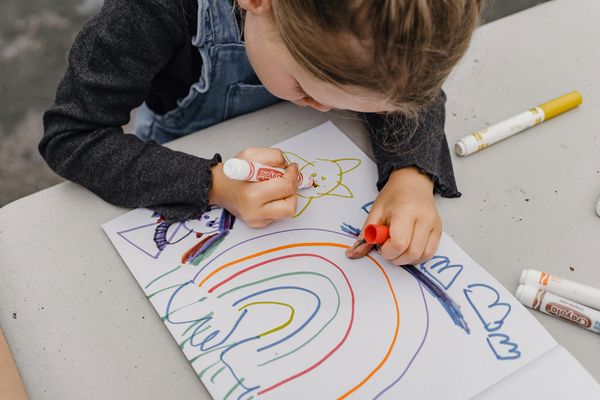
Simple materials such as pencils, paper, coloring pages, and stencils encourage repeated use. When materials are neatly arranged and children are expected to care for the space, independence naturally increases.
Curated Book Area
A small, rotating selection of books helps children engage more deeply. Many families find that audio stories or music allow children to enjoy storytelling independently.
Open-Ended Play Spaces
Puzzles, building materials, dolls, blocks, or magnetic tiles support imagination and sustained concentration. Choosing activities based on a child’s interests encourages longer engagement.
Be mindful of keeping the play areas minimal and the toy stations to 5 or less options at a time. You might need to store away the majority of their toys and rotate them every few weeks. It’s important to keep the environment minimal so that the child does not have too many opportunities to feel overstimulated especially if they already go to school during the day. The home environment can work as an invitation to calm their nervous system after long school days if it’s set up to support that. Your child should have opportunities to be “bored” at home, as this is when their nervous system regulates and this opens up their brain for creativity which is the most ideal form of play for children 5 years old and under.
Movement and Sensory Opportunities
For active or sensory-seeking children, indoor climbing structures, balance equipment, or swings can support regulation and physical development, if you have the space for it.
The Role of Adults
Children learn as much from observation as from instruction. When adults use screens intentionally—especially during after-school and evening hours—it reinforces healthy boundaries. Everyday activities such as cooking, reading, tidying, or gardening model purposeful engagement and often invite children to participate.
Building a Rhythm of Contribution
Before independent play begins, involving children in daily household tasks can be grounding and empowering. Simple responsibilities such as setting the table, matching socks, wiping surfaces, or helping prepare food build confidence, cooperation, and a sense of belonging—key Montessori principles.
Final Thoughts
Reducing weekday screen time is not about strictness or perfection. It is about creating space for childhood—space for creativity, movement, focus, and connection. While the transition may feel challenging at first, consistency and a supportive environment often lead to calmer routines and more independent play.
In a screen-saturated world, thoughtful limits paired with meaningful alternatives can have a lasting, positive impact on children and family life.