
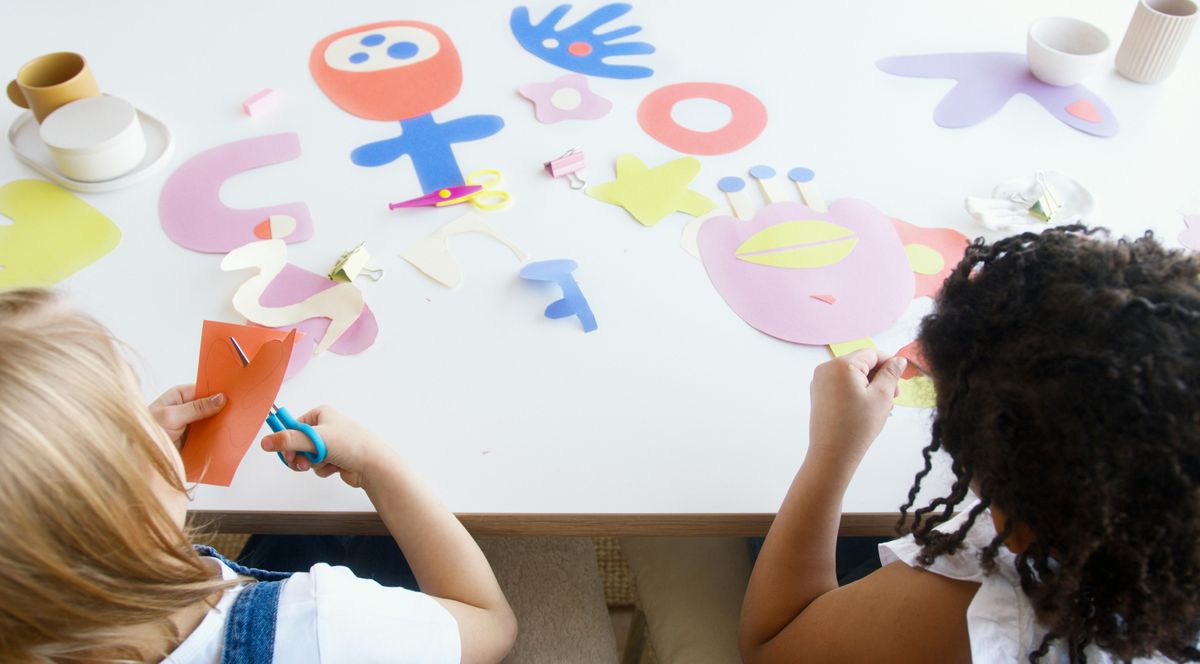
After nearly 30 years in Montessori education, I continue to be moved daily by the quiet, powerful ways love shows up in our classrooms. Montessori has taught me that love is not just a warm feeling we offer children; it’s a practice we live. It’s visible in the respect we give every child, the trust we build with families, and the gentle, thoughtful way we support one another as educators and staff.
In all my years guiding children, observing their growth, and partnering with parents, I’ve seen how a Montessori environment becomes a place where love and respect aren’t just encouraged—they are lived. And my hope is always the same: that when children leave our school, they carry these experiences of love, peace, and belonging with them. That the values they’ve absorbed—kindness, independence, empathy, curiosity—become a forever part of who they are.
This blog explores how love shows up as a daily practice in Montessori classrooms and how parents can build a love-filled Montessori-aligned environment at home.
Love as a Daily Practice in Montessori Classrooms
Love is not abstract in Montessori education. It is active, intentional, and visible in the way children are treated, the way adults prepare environments, and the way relationships are honored. Dr. Maria Montessori believed that love is foundational to a child’s development—an energy that fuels independence, peace, and purposeful learning. When children feel loved and respected, they naturally extend that love outward.
In a Montessori environment, love is not expressed through praise or rewards, but through respect, observation, and trust in the child.
A. Love Through Respect for the Child
Montessori guides show love by honoring each child’s pace and individuality.
They speak gently and intentionally.
They listen more than they direct.
They allow children real choices and autonomy.
Respect communicates: “You matter. I trust you. I see you.”
B. Love Through Prepared Environment
The Montessori classroom itself expresses love.
Materials are orderly and beautiful.
Shelves are designed for independence.
Children access tools without needing help or permission.
A well-prepared environment says: “You are capable, and this world is ready for you.”
C. Love Through Observation
Instead of constantly correcting, Montessori teachers observe. Observation allows the child to feel safe, not judged.
This reflects Montessori’s belief: “The greatest sign of success is the child working independently.”
D. Love Through Peace Education
Daily practices—such as peace tables, conflict resolution, and mindfulness—help children treat others with empathy.
Montessori love extends beyond the self to:
peers
community
nature
the global world
How Parents Can Build a Love-Filled Montessori Environment at Home
While Montessori classrooms are known for their peaceful environments, families can bring those same principles into their homes. In fact, the home is the child’s first prepared environment, and the family is the child’s first community. By intentionally shaping the physical space, daily routines, and emotional climate, parents can create a home that nurtures confidence, independence, and loving relationships. You don’t need a fully Montessori-designed home to infuse Montessori love into everyday life. What matters most is relationship, respect, and intentionality.
A. Practice Unhurried, Present Love
Montessori encourages slow, purposeful moments. At home, this looks like:
invite your child to help even if it takes longer
slowing your pace so they can do things themselves
making space for connection without distractions
Presence = Love.
B. Create Spaces That Empower, Not Control
You can bring Montessori principles home by making simple adjustments:
a low shelf with a few accessible toys
child-sized pitchers, cups, or cleaning tools
a step stool for kitchen and bathroom independence
a calm, uncluttered bedroom space
These changes say:
“I believe in your independence.”
C. Build Emotional Literacy Through Modeling
Love grows when children understand emotions. Montessori parents model emotional regulation with gentle language:
“I feel frustrated, so I’m taking a breath.”
“You’re upset. I’m here with you.”
“Let’s find a peaceful solution together.”
This builds trust, empathy, and security.
D. Offer Real Responsibilities (Practical Life)
Practical Life activities are a form of love because they honor the child’s desire to contribute. Invite your child to:
water plants
help with cooking
sweep up spills
fold washcloths
feed pets
Children feel loved when they feel useful and included.
E. Use Gentle, Respectful Communication
Replace commands with collaboration:
Instead of “Hurry up!” → “Let’s work together to get ready.”
Instead of “Stop crying.” → “Your feelings are welcome here.”
Instead of “No, you’re too small.” → “Let me show you how.”
Respectful communication is love in action.
Bringing It All Together: Love as Connection, Not Control
Maria Montessori discovered that love enables and empowers children. She wrote, “Love fills the child’s consciousness and affects his self-realization.” When young children feel love from parents and caregivers and witness love between others that are close to them, they develop kindness, respect, and dignity.
The heart of Montessori is helping the child grow into a peaceful, confident human being.
Both at school and at home, love is communicated by:
giving time
offering understanding
trusting independence
respecting inner potential
guiding without overpowering
When parents and educators work together, the child experiences a consistent message:
“You are loved. You are capable. You belong.”
Love, in the sense of Montessori, is not grand or performative. It is gentle, steady, and woven into everyday moments. It lives in the way we listen to children, prepare environments that support their independence, and allow them the time and space they need to grow. When both educators and parents approach children with this kind of respectful, intentional love, we gift them not only confidence and security, but also the inner tools to become peaceful, compassionate humans.
By embracing Montessori principles at home—slowing down, creating accessible spaces, communicating with empathy, and trusting children’s natural abilities—parents mirror the nurturing environment of the classroom. Together, classrooms and homes become connected ecosystems of love, supporting children in becoming exactly who they are meant to be.