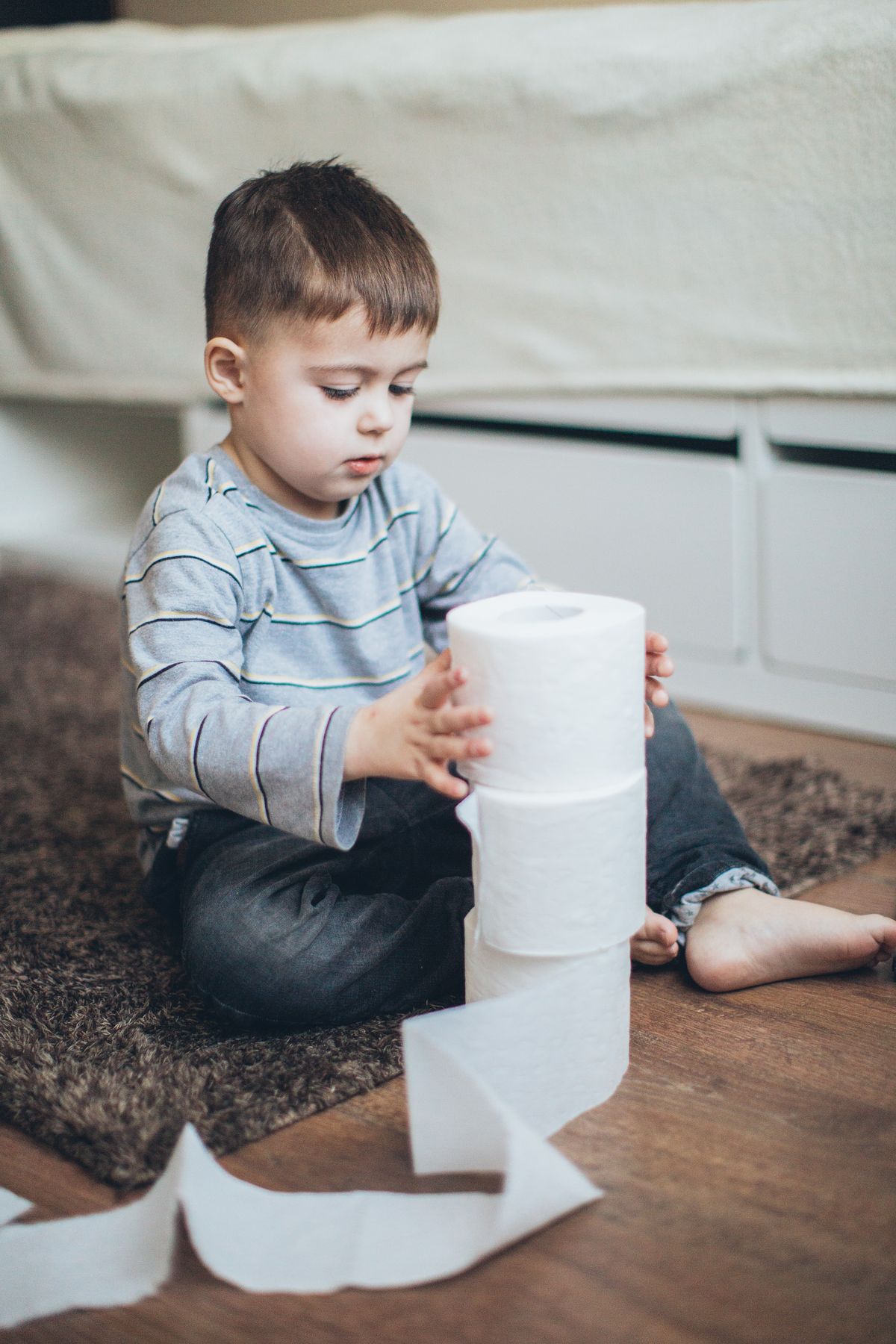
In Montessori, we talk about toilet learning, not 'training.' The focus is on independence, body awareness, and respect for the child's pace.
Core Montessori Principles
- Readiness over age: We observe signs rather than follow a timeline.
- Preparation of the environment: The child should be able to do everything independently.
- Freedom within limits: The adult sets up the structure; the child practices within it.
- No rewards or punishment: Internal motivation and mastery are the goal.
Typical Montessori Classroom Setup
- Step-stool for toilet and sink
- Low shelf with underwear and pants/shorts with elastic waist
- Stool for climbing and foot support
- Low sink with soap and towel
- Clear, calm routine (toileting offered at regular intervals)
- Adults model and invite, never force
Signs of Readiness
A toddler may be ready when several of these are present:
- Stays dry for 2+ hours
- Shows awareness of wet/dry or bowel movements
- Can walk, sit, and stand independently
- Can pull pants up/down with help
- Shows interest in the bathroom or watches others
- Can follow simple sequences (first/then)
Readiness often appears between 18 months and 3 years, but Montessori respects individual timing.
How to Implement Montessori Toilet Learning at Home
Step 1: Prepare the Environment
Set up before you expect success. Everything should be reachable by the child. You'll need:
- Step stool for feet (important for stability and access to the toilet)
- Easy-on/easy-off clothing
- Underwear (cloth is strongly preferred)
- Accessible wipes/toilet paper
- A laundry basket nearby (for accidents)
Step 2: Introduce the Toilet Calmly
- Use simple, factual language: 'This is the toilet. Pee and poop go here.'
- Invite your child to sit: 'Would you like to try?'
- Let them sit clothed at first if needed.
- No pressure, no performance expectations.
Step 3: Establish a Predictable Routine
Consistency is more important than speed. Common Montessori toileting times:
- Upon waking
- Before leaving the house
- After meals
- Before naps/bed
- Every 2–3 hours during the day
Use calm cues: 'It's time to try the toilet.' Avoid asking if they want to go — this creates power struggles. A timer can be helpful, but be sure to explain what it means when it goes off.
Step 4: Building a Daily Routine
Morning: Wake → toilet → dress in underwear
Daytime: Toilet every 2–3 hours and before all transitions (outdoors, car, nap)
Step 5: Handling Accidents
Stay neutral: 'Your pants are wet. Pee goes in the toilet.' No shame, no disappointment, no praise overload. Invite your child to help: put clothes in laundry, wipe body, change clothes.
Step 6: Remaining Consistent
What helps:
- Commit to underwear during waking hours once you start
- Limit diapers to sleep only (if needed)
- Keep language consistent across caregivers
- Expect accidents — they are part of learning
What can undermine progress:
- Going back and forth between diapers and underwear
- Rewards, stickers, or pressure
- Asking too many questions ('Do you need to go?')
- Showing frustration or excitement
The Adult's Role
Think of yourself as: an Observer (notice patterns and timing), a Guide (offer routine and reminders), a Model (demonstrate bathroom habits naturally), and a Supporter (help without taking over). The child's role is to practice.
Common Montessori Mantras
- 'The child will tell us when they are ready — through behavior.'
- 'Independence is built, not demanded.'
- 'Accidents are information.'