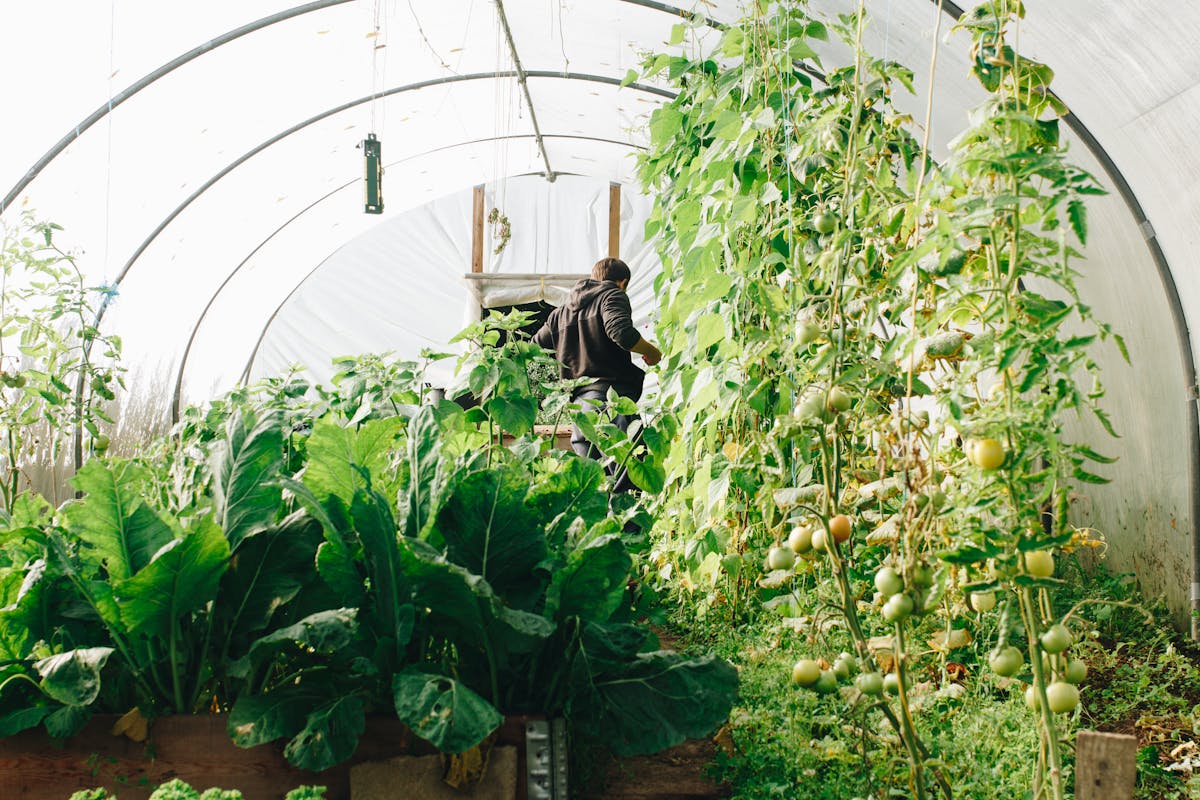
There is something profoundly natural about a child's connection to the world around them. Anyone who has spent time with young children has witnessed it: the sudden pause during a busy walk because a tiny seed, a fluttering leaf, or a crawling insect has captured their full attention.
For Dr. Maria Montessori, these moments were not distractions — they were essential opportunities for learning.
A Natural Foundation for Learning
Montessori observed that children are instinctive explorers of nature. One simple but powerful moment — watching a child become completely absorbed in observing a leaf — helped shape her understanding of how deeply children crave real, meaningful interaction with the natural world.
In Montessori education, this curiosity is not rushed or dismissed. Instead, it is honored and nurtured. A garden becomes more than just an outdoor space — it becomes a living classroom.
The Montessori Garden: A Living Classroom
A Montessori garden is a natural extension of the philosophy itself. Rooted in the belief that children learn best through hands-on experiences, it provides an environment where learning happens organically.
In the garden, children are free to:
- Explore at their own pace
- Engage all their senses
- Make discoveries through real-life experiences
This kind of environment supports the whole child — physically, emotionally, socially, and intellectually.
Learning Through Care and Connection
When children plant seeds, water them, and watch them grow, they begin to understand something deeper: their actions matter.
Caring for living things fosters:
- A sense of responsibility
- Patience and consistency
- Empathy for living organisms
Through these daily interactions, children develop respect not only for nature, but for their role within it.
Observing the Rhythm of Nature
Gardens also offer a front-row seat to the changing seasons. Children witness firsthand how plants grow, change, and respond to their environment. These experiences help children:
- Build ecological awareness
- Understand natural cycles
- Develop a lasting interest in the environment
This kind of learning cannot be replicated through books alone — it must be lived.
A Space for Social Growth
Beyond individual discovery, the garden is also a shared space. It naturally encourages collaboration and communication. Working together in a garden teaches children:
- Cooperation and teamwork
- Respect for others
- Problem-solving in real situations
It becomes a place where friendships grow alongside the plants.
Benefits of a School Garden 🌼
Maintaining a garden in a Montessori environment offers countless developmental benefits:
1. Responsibility
Regular care — watering, planting, and maintaining — teaches children commitment and accountability.
2. Understanding Food Origins
Children learn where their food comes from and gain appreciation for the process of growing fruits and vegetables.
3. Sensory Development
Touching soil, smelling herbs, and feeling water enrich sensory experiences and refine perception.
4. Environmental Awareness
Children begin to understand ecosystems, the importance of plants, and their role in caring for the Earth.
5. Creativity and Imagination
Designing garden spaces, planting, and observing growth inspire creativity and hands-on exploration.
6. Social Connection
A shared garden becomes a community project, strengthening bonds among children and fostering a sense of belonging.
Growing More Than Plants
In a Montessori setting, a garden is not just about growing flowers or vegetables — it's about nurturing the child.
It is a place where curiosity is respected, independence is encouraged, and learning unfolds naturally. Through the simple act of caring for the earth, children develop skills and values that will stay with them for a lifetime.
And perhaps most importantly, they discover joy — quiet, meaningful joy — in the beauty of the natural world. 🌿