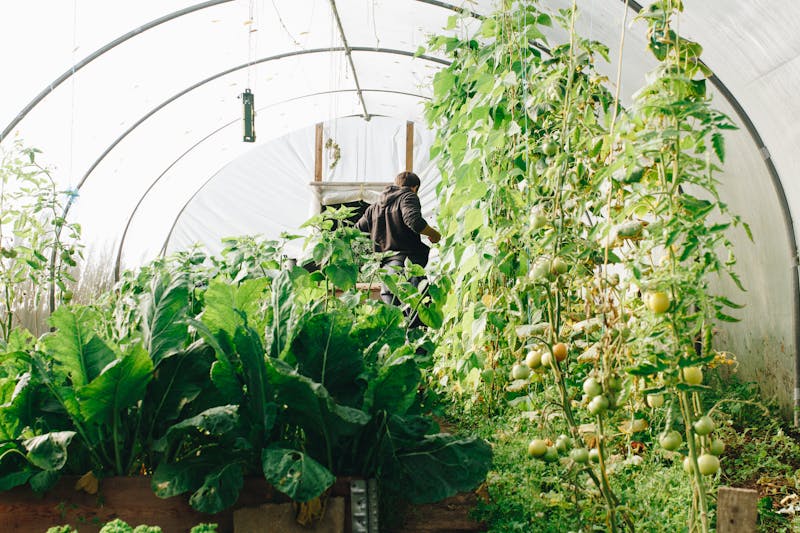
Why the Garden Matters in the Montessori Method 🌱
There is something profoundly natural about a child's connection to the world around them. For Dr. Montessori, these moments were not distractions — they were essential opportunities for learning. A garden becomes more than outdoor space — it becomes a living classroom.
Read Full Article →
Music & Childhood
Growing up in Austin — the Live Music Capital of the World — music wasn't just something in the background. It was part of everyday life. Music is one of the most natural and meaningful parts of childhood. When we introduce music during those sensitive early years, we're giving children space to explore, grow, and build a genuine love for the arts.
Read Full Article →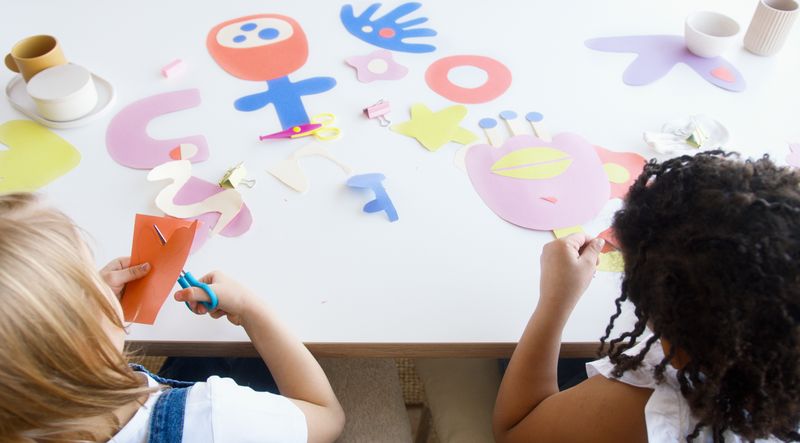
Living with Love: Daily Practice in Montessori Classrooms & at Home
After nearly 30 years in Montessori education, I continue to be moved daily by the quiet, powerful ways love shows up in our classrooms. Montessori has taught me that love is not just a warm feeling — it's a practice we live.
Read Article →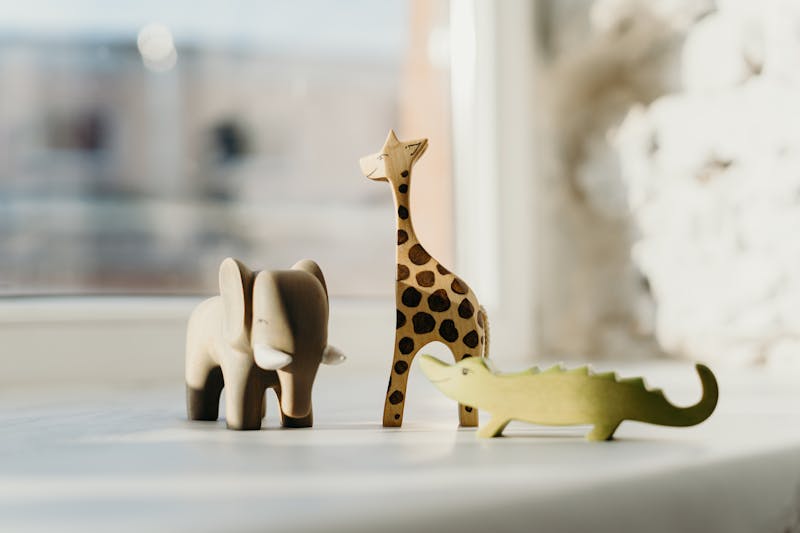
The Power of Connection: How Mindful Montessori Parenting Nurtures Emotional Growth
Connection comes before correction. Toddlers don't learn emotional regulation because we tell them to calm down — they learn it because someone stayed with them, named their feelings, and showed them what calm looks like.
Read Article →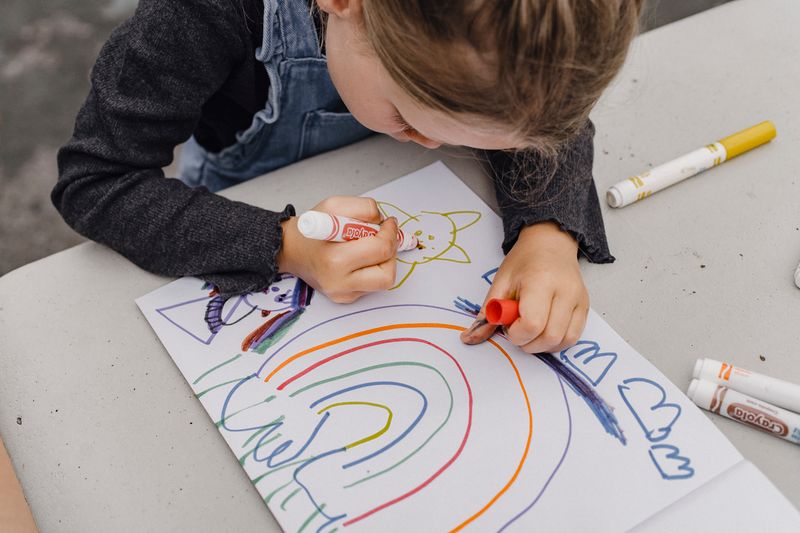
A Montessori-Inspired Approach to Screen Time
Many families want to reduce screen time but feel unsure where to begin. One simple and effective approach: no screens during the week. Clear and consistent limits often reduce daily power struggles and support emotional regulation.
Read Article →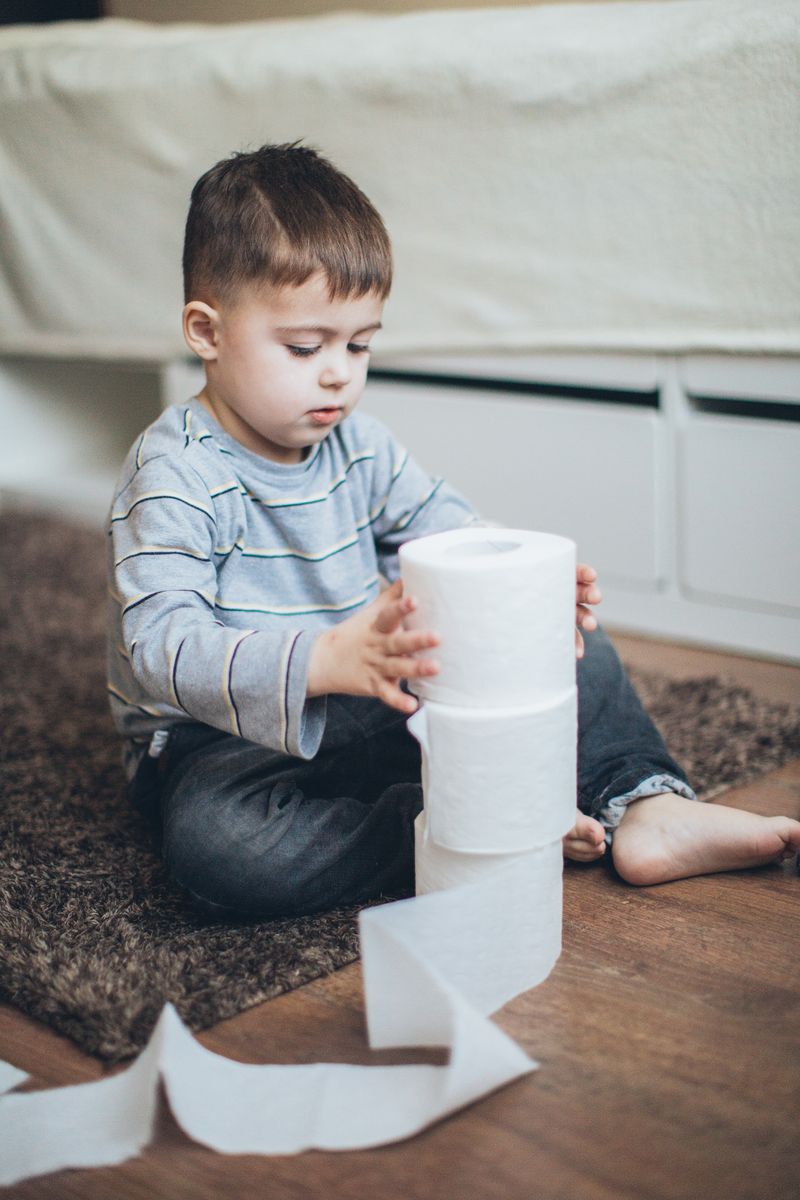
Toilet Learning in the Montessori Environment
In Montessori, we talk about toilet learning, not training. The focus is on independence, body awareness, and respect for the child's own pace. Readiness over age, always.
Read Article →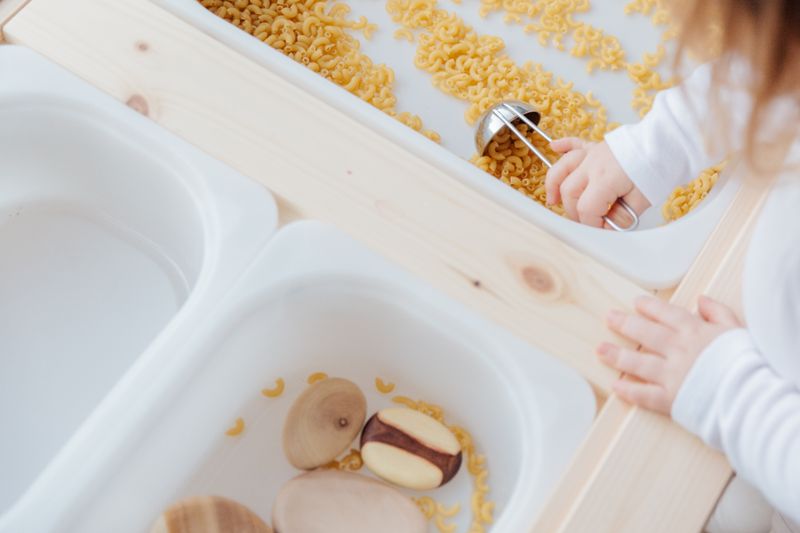
Practical Life in Montessori: More Than Just Everyday Tasks
While Practical Life may appear simple — pouring water, washing tables, buttoning a frame — this work holds deep developmental significance. It is the foundation upon which all other Montessori learning is built.
Read Article →
Less Chaos, More Connection: How Montessori Routines Bring Peace to Family Life
What transformed our home life more than anything else were Montessori-inspired routines. Not rigid schedules, but gentle rhythms that create just enough structure for both of us to breathe easier.
Read Article →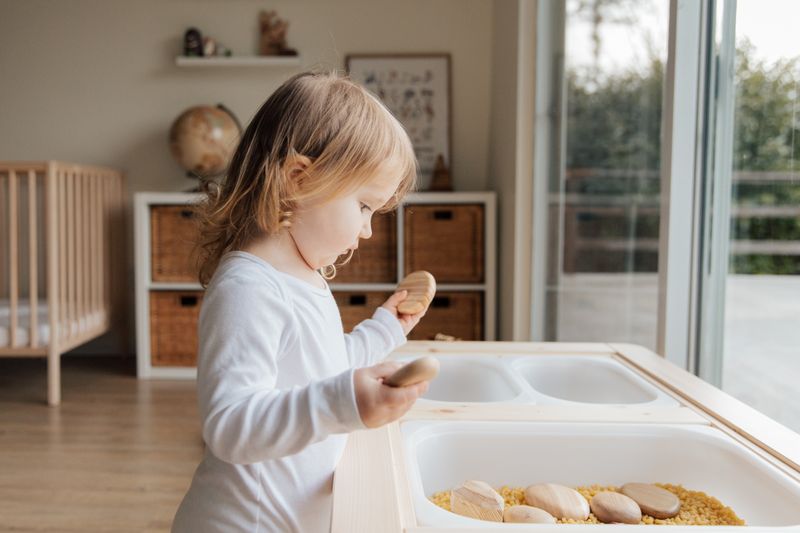
How to Bring Montessori Home: Simple Ideas for Parents
You don't need a fully equipped classroom to bring Montessori home. Montessori is far more about the environment you create and the trust you place in your child's growing abilities than it is about specific materials.
Read Article →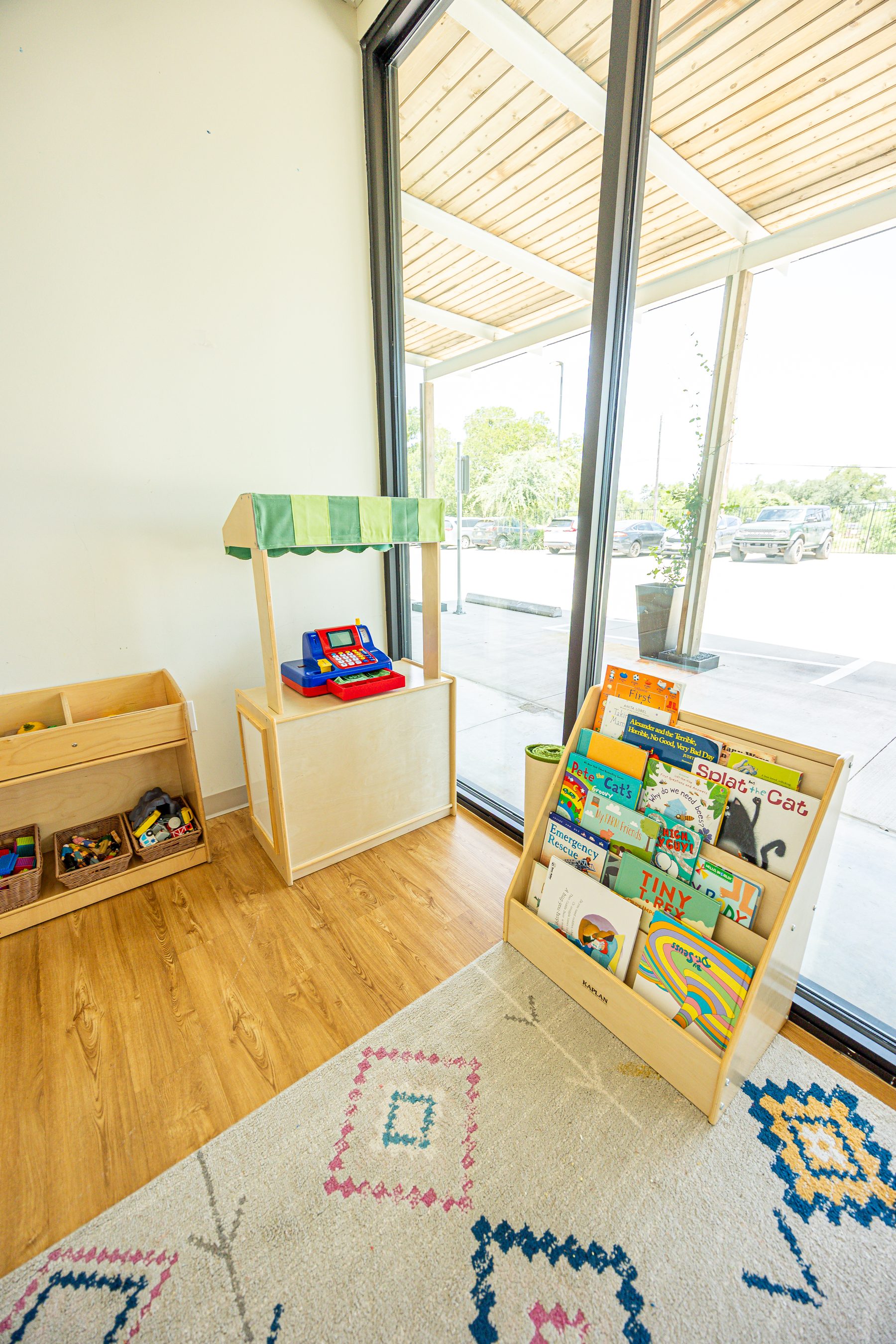
Book Recommendations
At Young Minds, we love sharing great reads with our families — books that deepen understanding of child development, support Montessori principles at home, and help parents feel more confident and connected.
Read Article →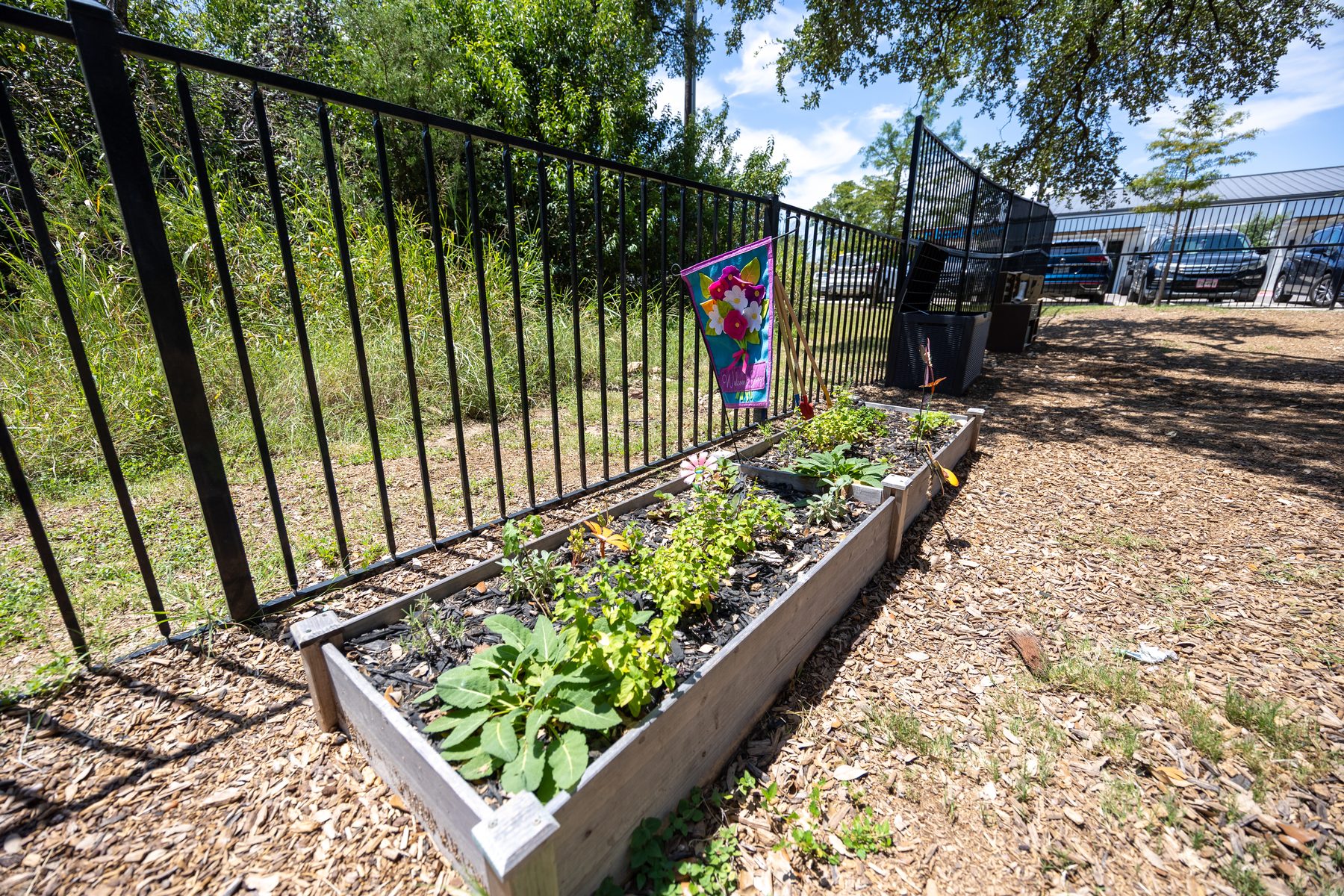
YMM Nutrition Guidelines and Lunch Ideas
Well-balanced meals provide the nourishment children need to grow, think, fight infection, and fuel their bodies. Here are our school nutritional guidelines and ideas for healthy lunches.
Read Article →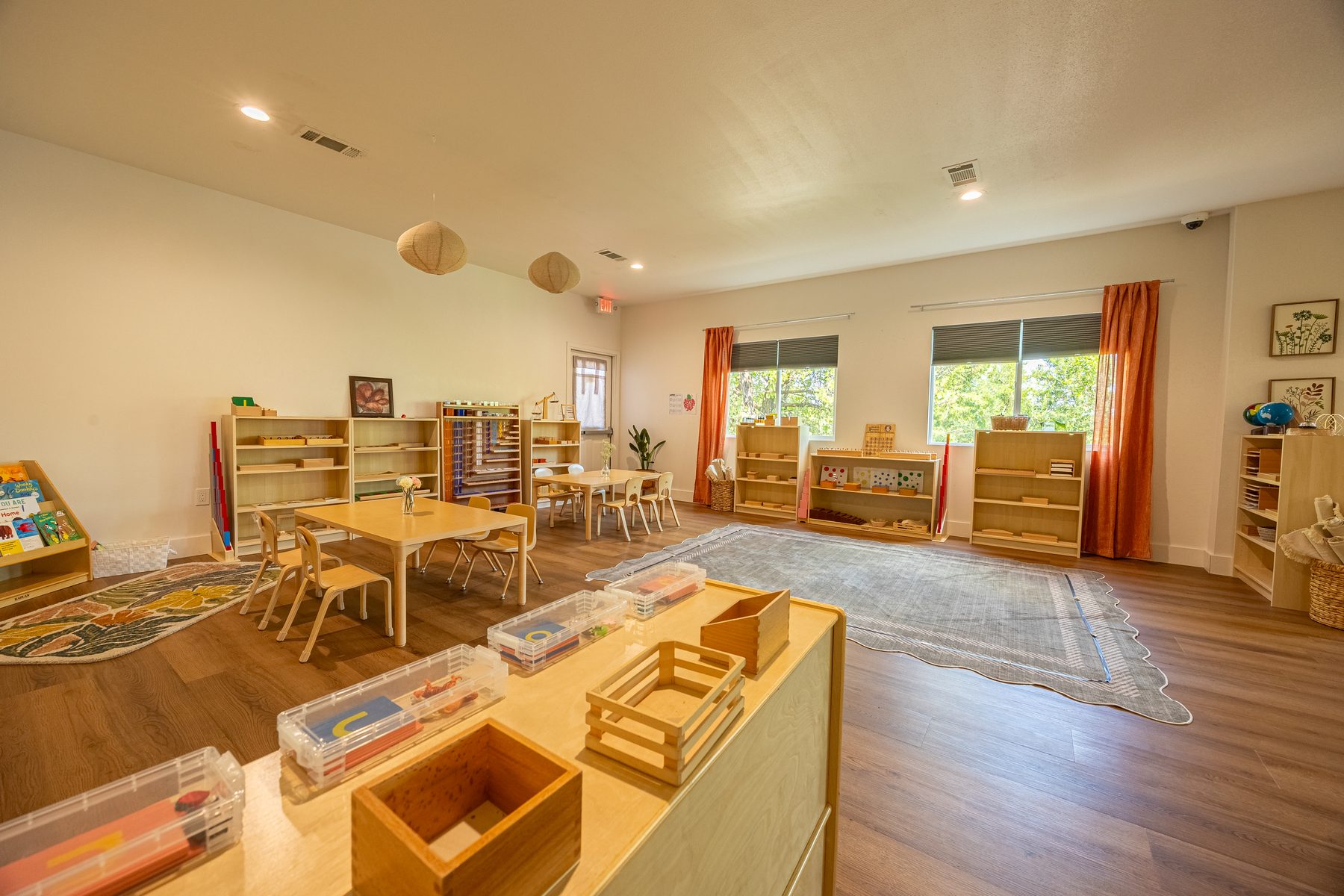
Montessori at Home: From Infants to Toddlers
Creating a Montessori environment doesn't have to wait until your children are older. From infants to preschoolers, here are practical ways to support independence and learning at every stage.
Read Article →